
The journey of gambling Tracing its historical evolution through time
Origins of Gambling in Ancient Cultures
The roots of gambling can be traced back to ancient civilizations, where it played a significant role in social and cultural practices. Archaeological findings suggest that ancient China was among the first to engage in gambling activities, with games of chance such as keno emerging as early as 200 BCE. Similarly, the Romans and Greeks had their share of betting games, often associated with festivals and communal gatherings, where the thrill of uncertainty brought people together. As you dive into this rich history, you may find valuable insights on platforms like https://www.loroller.com/.

In these early societies, gambling was not merely a leisure activity but also a means of fortune-telling and divination. Games of chance were often intertwined with religious and spiritual beliefs, with participants seeking favor from deities in hopes of winning. This cultural significance laid the groundwork for gambling to evolve into a recognized social phenomenon, reflecting various aspects of human nature and community dynamics.
The Evolution of Gambling Practices
As societies developed, so did the complexity of gambling practices. By the Middle Ages, gambling had gained a more formal structure with the introduction of card games, dice, and betting on sporting events. These activities became a staple in taverns and social venues, fostering a sense of camaraderie among players. In Europe, the popularity of card games grew, leading to the establishment of dedicated gambling houses, which set the stage for modern casinos.
The establishment of lotteries in the 15th century further diversified gambling. Governments began to organize and regulate lotteries, using the proceeds for public works and community projects. This shift highlighted the dual nature of gambling as both a source of entertainment and a means of generating revenue, which would influence legislative approaches to gambling in the years to come.
Modern Gambling and the Casino Revolution
The 18th and 19th centuries marked a significant turning point in the gambling landscape with the emergence of casinos. The first official casino, the Casino di Venezia, opened its doors in Italy in 1638, paving the way for a new era in gambling. These establishments became synonymous with luxury and entertainment, drawing patrons from all walks of life. The establishment of Las Vegas in the 20th century further revolutionized gambling, transforming it into a global entertainment industry.
In the contemporary era, advancements in technology have dramatically reshaped the gambling experience. Online casinos have emerged, allowing individuals to engage in gambling from the comfort of their homes. This digital transformation has made gambling more accessible than ever, appealing to a wider audience and fostering the growth of new gaming options, including video slots and live dealer games.
The Cultural Significance of Gambling Today
Today, gambling holds a multifaceted role in society, reflecting cultural attitudes and economic realities. In many cultures, it is seen as a form of entertainment, a way to socialize, and even a potential path to financial gain. However, with this popularity also comes the need for responsible gambling practices and regulatory measures to ensure player protection.
The cultural significance of gambling is evident in various forms of media, including films, literature, and art, where the allure of risk-taking and the human desire for excitement are frequently explored. As societies navigate the complexities of gambling, the balance between enjoyment and responsibility continues to be a vital conversation.
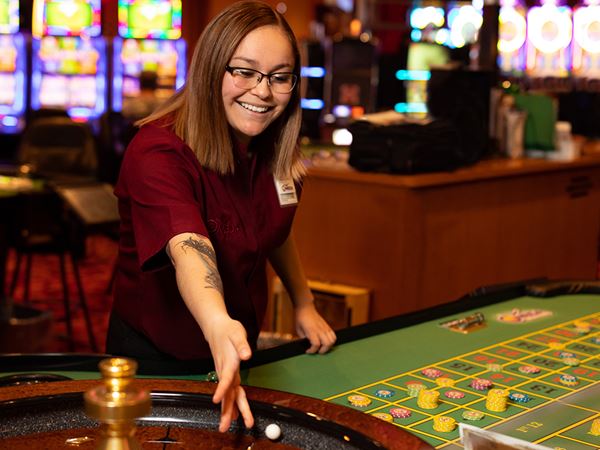
Exploring Online Gambling Resources
As the world of gambling evolves, so does the need for reliable resources to navigate this dynamic landscape. Online platforms now provide extensive information about various gambling options, from traditional casinos to innovative online gaming experiences. These resources often highlight critical aspects such as game types, payment methods, and responsible gambling practices.
For anyone looking to enhance their gambling journey, seeking out expert insights and user-friendly resources can significantly improve the experience. These platforms not only guide players in making informed decisions but also foster a safe and enjoyable environment for all enthusiasts, ensuring that the legacy of gambling continues to thrive in the modern age.